A mattress topper is a cushioning layer placed over an existing mattress to adjust firmness, comfort, and support. In this category, materials vary from memory foam to latex and natural fibers, each offering distinct contouring, breathability, and durability. Understanding padding thickness and density helps match a topper to sleeping positions and body weight for improved sleep quality.
Careful material selection influences heat management and moisture control. Latex toppers provide buoyant support and resilience, while memory foam tends to cradle pressure points with slow recovery. Natural fibers such as cotton or wool enhance airflow and regulate climate, making toppers suitable for temperate and humid environments alike.
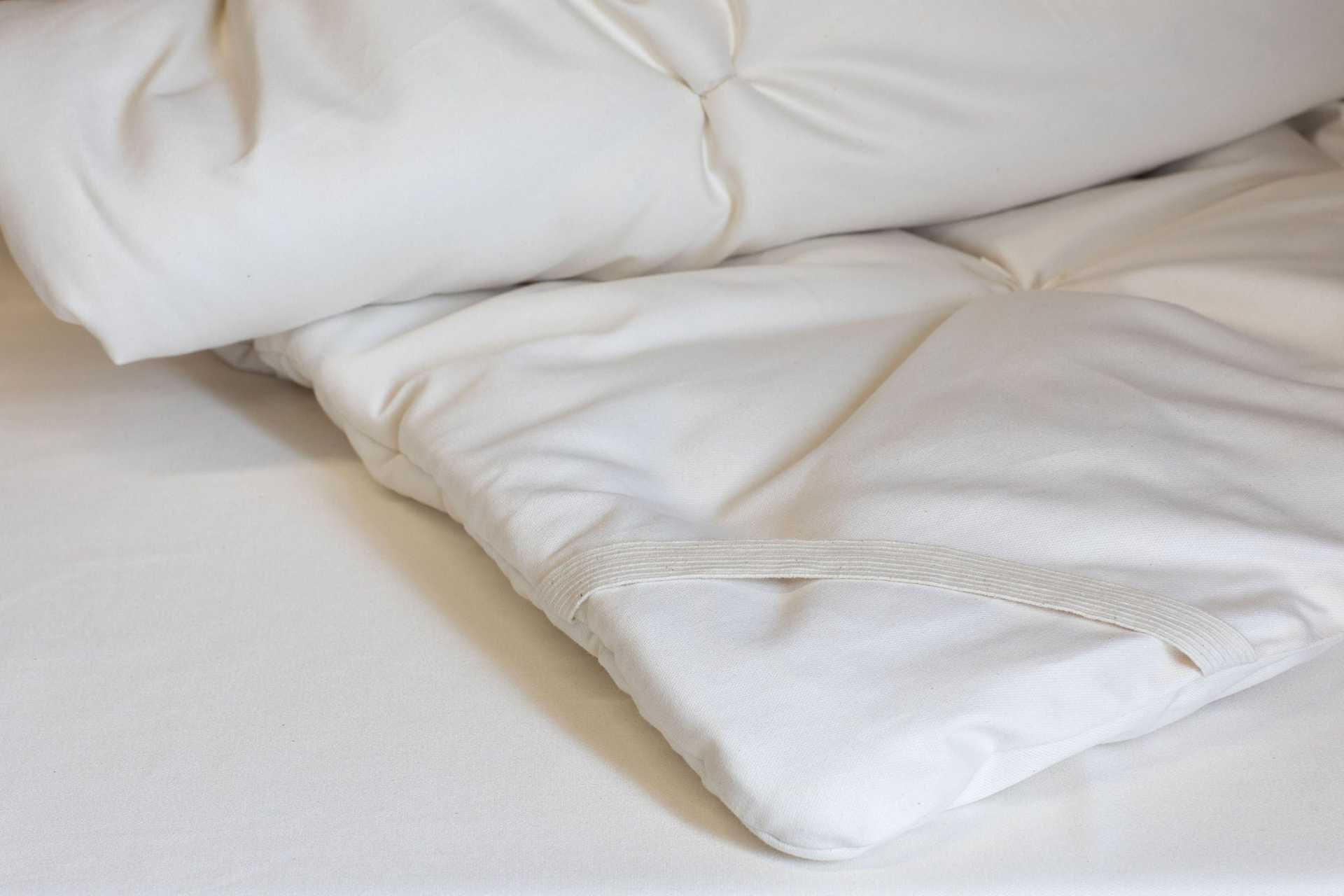
For families, specialized toppers like the Natural Child's Crib Mattress Topper emphasize safety, non-toxicity, and gentle cushioning. These toppers are designed to fit standard crib dimensions and to reduce motion transfer, contributing to uninterrupted rest for both infants and caregivers during daytime naps and nighttime sleep.
Durability and care are important considerations; many toppers are machine-washable or require surface cleaning, and some incorporate antimicrobial fabrics. To maintain performance, follow manufacturer guidelines for rotation, coverage with a breathable protector, and proper support from the underlying mattress to prevent sagging over time.
Meta keywords such as bedding, sheets, organic mattresses, and latex intersect with topper selections, highlighting the broader context of sleep surfaces. By evaluating firmness, materials, and use cases—whether for adults, children, or infants—consumers can better discern which mattress topper aligns with comfort goals, longevity, and health-conscious bedding practices.
 Bedding