Wool comforters provide natural insulation and temperature regulation, making them a versatile choice for varied climates. They are often breathable, wicking moisture to keep sleepers dry, while offering a soft, durable surface that maintains loft over time. Understanding wool’s intrinsic properties helps determine suitability for different sleep environments and preferences.
Within this category, fibers such as merino and responsibly sourced wool contribute to softness and resilience. Wool comforters typically feature a cotton or linen lining to enhance durability and ease of care, while maintaining the loft required for even warmth distribution. These design elements support long-term comfort and consistent performance across seasons.
Key features to consider include fill power, weight, and stitching patterns that influence warmth without excessive bulk. A well-constructed wool comforter can trap air for warmth in cooler months and release excess heat when temperatures rise. Functional benefits extend to hypoallergenic tendencies and natural resistance to odors, supporting a healthier sleep environment.
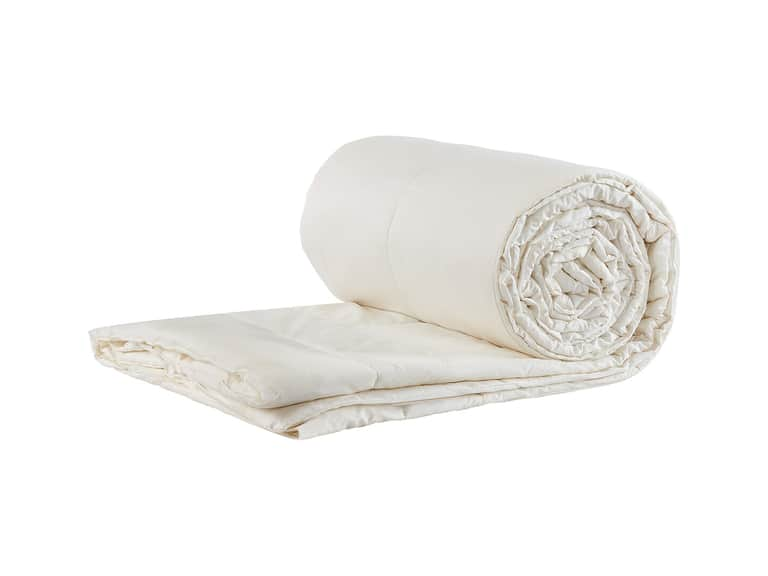
In the Sleep and Beyond line, the myComforter series showcases how wool fulfills comfort and practicality. Variants may emphasize different wool blends, outer shell fabrics, and internal baffles to optimize loft and moisture management. Understanding these specifications helps identify comforters suited to personal sleep needs and bedding ecosystems.
Common meta keywords such as bedding, sheets, and organic materials intersect with wool comforters, underscoring their role in a holistic sleep setup. For readers seeking natural bedding options, wool offers a sustainable, low-maintenance choice that complements other textiles like pillows and latex-based products, contributing to overall room comfort and temperature stability.
 Bedding