Bedding care · Guest-room essentials
A Cleaner Sleep Setup: How Mattress Encasements Protect Bedding
A mattress is a long-term investment, but it lives in a place where spills, dust, skin cells, and ordinary wear are unavoidable. A zippered mattress encasement wraps the entire mattress in a protective layer. Chosen well and cared for properly, it can help keep the sleep surface cleaner and make routine guest-room upkeep more manageable.
Published November 16, 2026
The layer between a mattress and everyday life
A guest bed may sit unused for weeks, then host someone for several nights in a row. A household mattress faces a different rhythm: nightly use, changing seasons, and the occasional breakfast-in-bed mishap. In both cases, what happens on the surface matters. A mattress can be difficult to clean thoroughly, and its bulk makes it impractical to wash or replace whenever a small accident occurs.
That is where bedding protection earns its place. A mattress encasement is a fitted, usually zippered cover that surrounds the mattress on all sides. It is designed to form a barrier between the mattress and common sources of soil or exposure. A regular fitted protector, by contrast, generally covers the sleeping surface and wraps around the sides, leaving the underside uncovered.
Neither format is automatically right for every bed. The useful question is what the mattress needs protection from, how often the bed is used, and whether the cover can be installed and maintained without becoming a chore. For a guest room, the best solution is often the one that quietly protects the mattress while keeping the surface comfortable and easy to prepare.
Encasement or fitted protector?
The difference begins with coverage. A fitted mattress protector is typically quicker to take on and off. It covers the top and sides, much like a fitted sheet, and is often chosen to guard against spills, sweat, and everyday wear. Because it does not completely enclose the mattress, it may be easier to launder frequently, depending on the care instructions.
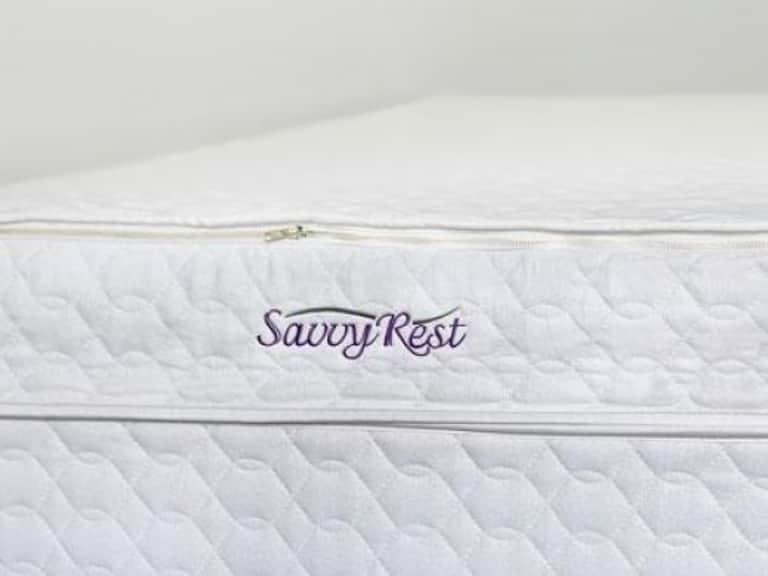
A mattress encasement surrounds the mattress, with a zipper closing the opening. That full enclosure can be useful when the goal is to create a more comprehensive barrier against dust, allergens, or pests. It can also protect more of the mattress from accidental contact and household dirt. An encasement is not a substitute for cleaning, and no cover can promise to solve every problem in a room. Still, coverage on all sides offers a different level of containment than a top-only layer.
There is a practical trade-off. A fully enclosed cover can take longer to install, especially on a heavy mattress or in a tight bedroom. Removing it for laundering may also take more effort than pulling off a fitted protector. Before choosing, consider whether the added coverage meets a real need—and whether the routine for washing and reinstalling it feels realistic.
| Consideration | Fitted protector | Zippered encasement |
|---|---|---|
| Coverage | Usually covers the top and sides | Surrounds the mattress on all sides |
| Installation | Often similar to fitting a sheet | Requires positioning the mattress and closing the zipper |
| Typical role | Everyday surface protection and easier routine changes | A more complete barrier around the mattress |
| Key check | Fit, fabric feel, and washing directions | Mattress dimensions, zipper design, fabric, and care directions |
What a mattress encasement can—and cannot—do
It helps to think of an encasement as one part of a bedding-care routine, not a cure-all. A well-fitted barrier can reduce direct contact between the mattress and spills, dust, and some household allergens. Certain products are specifically designed and tested for pest protection, but claims vary. Read the product’s specifications rather than assuming that every zippered cover provides the same level of protection.
Dust mites are microscopic organisms that can be present in household dust and bedding. A tightly constructed, fully enclosed cover may help limit their access to the mattress. The benefit depends on the product’s design, fit, closure, and condition. A damaged seam or open zipper can undermine the barrier, while a cover that is too small may strain or fail to close correctly. For allergy concerns, follow relevant medical guidance and consider the whole sleep environment, including sheets, pillows, flooring, and regular cleaning.
Encasements can also help shield a mattress from the routine exposures of home life. They do not make an old mattress new, remove stains already inside it, or eliminate the need to wash sheets. Nor should waterproofing be assumed from the word “encasement.” Some are designed to resist moisture; others focus on breathable fabric or allergen barriers. Check the specifications for the protection you actually need.
The details that make the difference
1. Measure the mattress, including its depth
Start with the mattress size—twin, full, queen, king, or another standard—and measure its height. A thick mattress, pillow-top, or added topper can make the depth just as important as the length and width. An encasement that is too shallow may pull tightly at the corners, strain the zipper, or refuse to close. One that is too loose may bunch beneath the sheets. Compare your measurements with the product’s stated size and depth range, and account for any topper that will stay on the bed.
2. Consider the fabric and sleeping feel
The encasement sits directly against the mattress and beneath the fitted sheet. Its fabric therefore affects how the bed feels, how air moves, and how much noise the barrier makes when someone turns over. Cotton and cotton-blend surfaces may feel soft and familiar; waterproof layers can add useful spill protection but vary in breathability and sound. If temperature comfort matters, look for clear information about the surface fabric and protective layer instead of relying on vague labels.
Organic cotton can appeal to people who prefer certified natural fibers, but a material label alone does not tell the entire story. Look at the construction, certifications, care requirements, and any membrane or backing used. “Breathable” is worth investigating in context: a product should explain what materials and design features support airflow, rather than asking the shopper to infer performance from the word.
3. Inspect the zipper and seams
For a full mattress encasement, the closure is not a minor detail. A zipper that opens widely can make installation easier, while a secure closure helps the cover stay in place. Check whether the zipper is covered or protected at its end, and review what the maker says about the seams and barrier performance. If the product is intended for dust-mite or bed-bug protection, look for specific construction information and testing or certification details where available.
4. Read the care instructions before buying
A cover only helps as intended when it remains in good condition. Some encasements are machine washable; others require more limited care. Check the washing temperature, drying instructions, and whether the product can tolerate frequent laundering. Avoid assuming that hot water, bleach, or high-heat drying is suitable. Those choices can damage fabric, coatings, or seams if the manufacturer does not recommend them.
A closer look at an organic cotton option
The Sleep and Beyond Organic Cotton Zippered Mattress Encasement illustrates how material and construction can come together in a fully enclosed design. Its listed features include a GOTS-certified organic cotton jersey surface and a corn-starch-derived TPU layer described as waterproof and crinkle-free. The product is offered in a range of mattress sizes and several depth options, making it important to measure before selecting a fit.
The encasement is designed to open on three sides for application and removal. Its product information also describes a 3-micron pore size for blocking dust mites and bed bugs, and lists GREENGUARD Gold certification. These are product-specific claims; they should not be taken as evidence that all encasements provide equivalent protection or that a cover alone will address an infestation. Review the current specifications and warranty terms, and follow the care directions supplied with the item.
For someone preparing a guest bed, the appeal is practical: a complete enclosure can remain in place beneath regular sheets, creating a protected base layer between visits. Its cotton surface is intended to keep the barrier comfortable, while the waterproof layer is designed to guard against moisture. As with any protective bedding, the right fit and correct care matter as much as the materials named on the label.
How to install an encasement without a struggle
Installation is easiest when the mattress can be moved and the bed frame is accessible. Remove sheets, pillows, and any existing protector. If possible, ask another person to help lift or tilt the mattress; avoid dragging it across sharp edges or flooring that could snag the fabric.
- Confirm that the encasement matches the mattress size and depth, and inspect it for damage before use.
- Open the zipper fully and identify the opening and orientation indicated by the maker.
- Slide or wrap the cover around the mattress evenly, taking care not to stretch the seams or catch the fabric.
- Smooth out folds and check that the corners sit correctly before closing the zipper.
- Close the zipper completely, including any protective flap or end closure described in the instructions.
- Make the bed with a fitted sheet, then check that the encasement lies flat and does not affect the mattress fit on the frame.
Do not force a zipper that has caught fabric. Reopen it, free the material, and try again. If the cover seems unusually tight or will not close, stop and verify the mattress measurements rather than pulling harder. A strained closure is more likely to fail and can make future removal difficult.
Care that protects the protection
Follow the product’s label first. If the encasement is machine washable, use the recommended settings and detergent, and dry it according to instructions. Residue from bleach, fabric softener, or high heat may affect some materials, so avoid adding treatments simply because they are part of a familiar laundry routine. Make sure the cover is fully dry before reinstalling it to reduce the chance of trapping moisture against the mattress.
Check the zipper, seams, and surface periodically, especially after washing or moving the bed. Look for small tears, pulled stitching, or a closure that no longer runs smoothly. If the encasement is intended as a barrier against a particular pest or allergen, damage may compromise its purpose. Replace it or seek manufacturer guidance if its integrity is in doubt.
For a guest room, keep a simple schedule: wash sheets and pillowcases after each stay, launder the encasement only as often as its instructions recommend, and air the room between visits when practical. Spot-clean spills promptly using a method safe for the bedding and mattress. A cover can make that routine easier, but it does not remove the need for clean linens and ordinary room care.
A guest-room checklist before visitors arrive
- Confirm the encasement is the correct size and fully zipped.
- Check for damage, bunching, or a closure caught on fabric.
- Use clean sheets and pillowcases, and provide pillows suited to different preferences when possible.
- Make sure the mattress protector or encasement does not create an uncomfortable or noisy surface beneath the sheet.
- Clear the bed and nearby floor of clutter so guests can move around safely.
- Keep the product’s care information available for whoever maintains the room.
These small checks make the bed feel considered without turning preparation into a project. Guests may never notice the encasement beneath the sheets. That is often the point: protection should work quietly in the background, leaving the visible room calm, clean, and ready.
Questions worth asking before you choose
Will an encasement make the bed too warm?
It depends on the fabric, backing, and sleeper. Some designs prioritize airflow; waterproof barriers may feel different from untreated textiles. Review material details and, where possible, the maker’s description of temperature and moisture performance. The fitted sheet and duvet also affect the overall sleep climate.
Is a mattress encasement the same as a waterproof protector?
No. One term describes coverage, while the other describes a moisture-related feature. A zippered encasement may be waterproof, water-resistant, or neither. Verify the product’s stated specifications if spill protection is essential.
Does a cover replace mattress cleaning?
No. It can help reduce direct exposure, but it does not make a mattress immune to dust, moisture, or wear. Keep the cover in good repair, wash it as directed, and follow the mattress maker’s cleaning guidance.
Should every guest bed have one?
Not necessarily. The decision depends on the mattress, how often it is used, household concerns, and the level of protection desired. A fitted protector may be enough for routine spills and wear. A full encasement can make sense when complete coverage is a priority and the added installation and care are manageable.
The case for a considered barrier
A mattress encasement is a quiet piece of bedding infrastructure. It does not change the room’s color or transform a mattress’s support. It does, however, create a layer that can help guard a hard-to-clean surface from everyday exposure. The choice comes down to fit, fabric, closure, care, and the specific protection the product actually offers.
For a guest bed, that can be a useful form of preparedness: measure carefully, choose a breathable design suited to the room, confirm the claims and laundry instructions, and inspect the cover now and then. The result is not a promise of perfect cleanliness. It is a sensible routine—one that gives a mattress a better chance of staying ready for the next arrival.